
Camp Trash - Sound In The Signals Interview
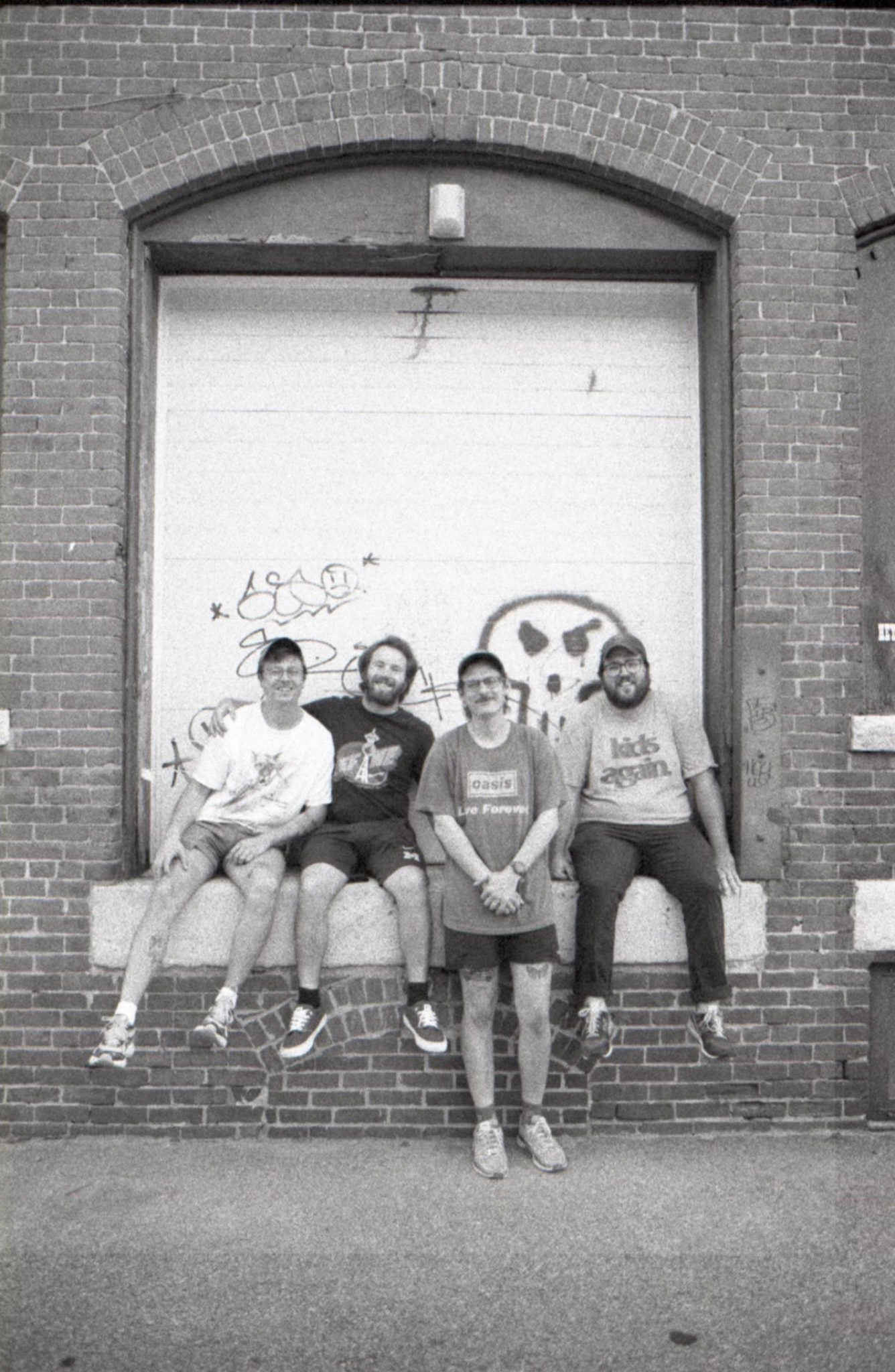
I recently had the opportunity to interview Camp Trash. We discussed the writing and recording process for their new album, ‘Two Hundred Thousand Dollars’, the excitement and happy surprises of recording an album live, the collaborative effort behind the band, working with Count Your Lucky Stars, and more. Check it out below.
First, thanks for the interview.
Of course! Thank you so much for having us.
Your new album ‘Two Hundred Thousand Dollars’ came out recently. It’s been a few years since you released your debut album. What in your life and writing process has changed since the debut album?
BRYAN: Not much has changed in our personal lives, although I did get married since the last time we released music.
As for the band, we added a new drummer, Kyle Meggison (formerly of Worst Party Ever), who really helped get this album over the finish line.
KEEGAN: We wrote the first album during COVID, and I think we just had a lot more time at home to work on songs and have band Zoom meetings to talk about music and tweak things slightly and rewrite different sections etc. The extra time we had trapped at home meant that we went right from recording our EP Downtiming into working on The Long Way, The Slow Way, so there was less of a gap between them.
As the rhythms of life returned to normal, LP 2 took us longer to write because we just had less time to goof off, and it was no longer quite as easy to find time to all get on a call together. In order to get that collaborative spirit back into the songs, we tried to work on this album all together in the same room instead of sending demos back and forth endlessly. The four of us live in three different cities now, so we got together a few times to write in the room together—a few times with our old drummer Alex Roberts, and then Kyle Meggison did a great job of picking up where he left off and really pushing these songs over the top. Kyle fucking shreds, man.
The biggest difference in the writing process, however, is the way Bryan and I divided the creative work this time. I usually write about a third of the songs/lyrics on any given Camp Trash release. This time around, I collaborated very closely with Bryan when writing like we always do, but almost all the lyrics are his. I tried to focus on the guitars and the song structures this time, and let him flesh out his ideas. It wasn’t really intentional, I was just so in love with what he tapped into and what he was writing that I wanted to create as much space for it as possible. We did the same thing for that split we did with Dowsing earlier this year: I wrote the guitars and Bryan wrote most of the lyrics/vocal melodies. There’s always a lot of crossover and collaboration with us, but that was a pretty significant shift in our creative process this time.
You recorded this album live primarily. What was that process like?
BRYAN: It’s intimidating because there’s no hiding behind production or editing… It's a revealing way to record an album. Our intention wasn’t to make a live record though, we just wanted the production to feel looser, a little off the metronome. After talking with our producer James Palko and giving some touchpoints for records and production that we liked, we agreed it would be best to go live with it.
James was incredible at creating a space that allowed us to actively work the songs without ever feeling rushed or behind. I’d 100% record an album like this again.
KEEGAN: We start every recording process by spending a day or two running the songs, trying out new ideas, and polishing up the unfinished elements. It’s the space where the most interesting ideas come out in those last moments before recording, so it felt really natural to go straight from rehearsing in the room together to just recording takes as the songs started to take shape. I actually felt that removing the click track was really freeing for us because it helped us to stop worrying about precision, which sometimes made us stiff and awkward. We originally intended just to record the drum and bass live together, but we ended up using a lot of the scratch “room mic” guitars and vocals because we were so happy with the performances James got.
There’s also a lot of studio chatter that we left in. I like hearing “behind the scenes” chatter in a recording, it feels like you’re seeing part of the creation of the album. For this album, where the experience of making it together was such a big part of the final product, it felt really appropriate. One thing I really wanted (and something we stuck to) was that the chatter you’re hearing is from the take of the song you’re hearing. When Kyle (Meggison) talks about “getting frisky” and practices his drumrolls before clicking into “Alibi,” that is the final drum take that you’re hearing on record. We largely didn’t cut and paste banter: what you’re hearing is from us recording the take that ended up being on the song.
One of my favorite parts of the album is the little acoustic song Levi plays at the end of “Alibi.” That wasn’t a planned part of the album: we were testing a cassette recorder as a way to sample drums for “No Vision” (the final product is a mix of a drum machine and live drums sampled via cassette record placed in the middle of the room). Levi was killing time by playing through one of his songs while James was testing the recorder and he accidentally captured that little tune you hear after “Alibi.” I don’t know if it’s a song Levi’s working on still or if it was improvised, I never asked. I just loved how pretty it is and I loved that it was just “overheard” in the studio and happened naturally.
I like that you’re pushing the boundaries of your sound while still maintaining that feeling you’ve had since your earlier music. What did you want to accomplish sonically with this album?
BRYAN: The Camp Trash timeline is a bit weird when it comes to songwriting. While everything we’ve released so far only goes back a few years, some of the songs we’ve had for over a decade. This record was the first time we truly got to start from scratch, and right away we knew we wanted to make a record that sounded like the stuff we really love and listen to all the time, bands like Superchunk, The Weakerthans, Guided by Voices, and early Fountains of Wayne.
We wanted to draw outside the lines a little. We wanted the drums to feel loose, the guitars to sound loud, and the vocals to feel raw.
KEEGAN: I wanted loud guitars and I wanted Bryan’s vocals more straight and out front—not always stacking a ton of harmonies on top of each other. I like his voice a lot and I like how he performs live and I wanted to get more of that spirit on record. We only had five days to record the album and we knew once we left the studio, there’d be no way we could come back for overdubs or anything like that. For the sake of time and efficiency, we recorded rhythm guitars with our own amps and pedalboards which had the unplanned but cool side effect of making this album sound much closer to how we as a band sound when we play live. It became about translating what we like about playing live to a record, and I had a ton of fun with that process.
I especially liked “Signal Them In” from the singles. Can you tell me about writing that song specifically?
BRYAN: "Signal” was the first song I started writing after our first album (The Long Way, The Slow Way) and probably the last song we finished together. It started like all of our songs do, with me sending Keegan an unfinished verse/chorus acoustic demo. He then sent back a drum loop demo with the big guitar lead you hear in the chorus now, and I think we both decided everything was going to center around that riff.
We went into the studio with placeholder lyrics and loose ideas. I remember Keegan sent me the line a few days before he flew in, “They turned off their headlights and drove through the night,” along with an instructional voice note, and I did my best to mimic what he was asking for. I don’t think I nailed his original idea, but he liked what I did enough so we kept it. It’s probably my favorite line and performance on the record.
In a lot of ways, this song really gave us our vision for what the record would eventually become thematically... committing crimes and being bad at it.
KEEGAN: Like Bryan said, “Signal” came first, and it became a sort of template for what was interesting to me during the time we wrote this album: stories of desperate people and failures who are just on the verge of changing their fortunes (in the vein of The Mountain Goats), and hooks you’d find in Superchunk songs. I don’t know how often we hit the goal, but that’s what I was aiming for most of the time, and it was really fun to write in those modes. I’m really into the kinds of songwriters and storytellers who can use evocative details to suggest a much larger story outside the margins of the song, as if it is just one scene in the middle of a film.
You’ve talked about how this album is a true collaboration with your friends pretty much top to bottom. How does that impact how everything came together. Does it make it more fun or more stressful or a combination?
BRYAN: The joy of this band, for me, is bringing my ideas to the table and watching the guys tear them apart and turn them into something even cooler.
While it took us two years to finally write and record something new, the songs themselves probably only took about two to three weeks once we were all in the same space.
The stressful part about writing songs for this band is that we all live thousands of miles apart AND require collaboration. They wouldn’t be Camp Trash songs any other way though.
KEEGAN: It’s the only way we know how to do Camp Trash shit. The band only exists as a deeply collaborative project, and it only ever came about because of the support of our truly talented friends like Kyle Hoffer, James Palko, Alex Roberts, Alex Hancock, and the friends who inspired us to make things: Madison James, Andy Schuenemann, Carson Pace, Mike Maple, Addy Harris, the Pet Symmetry boys, and the list goes on and on. What excites me most is what my friends are writing, and what inspires me to create most is the feedback of my friends.
But at the end of the day, if I wasn’t writing with Bryan and Levi, I just don’t know if I’d be writing. Working with them is the most creatively satisfying outlet I’ve ever had. The sound of Camp Trash is the culmination of us playing music together in different bands for the last decade.
This meant that the album took longer to come together because we really had to find the time to get in the same room to write, but ultimately it just couldn’t have been any different.
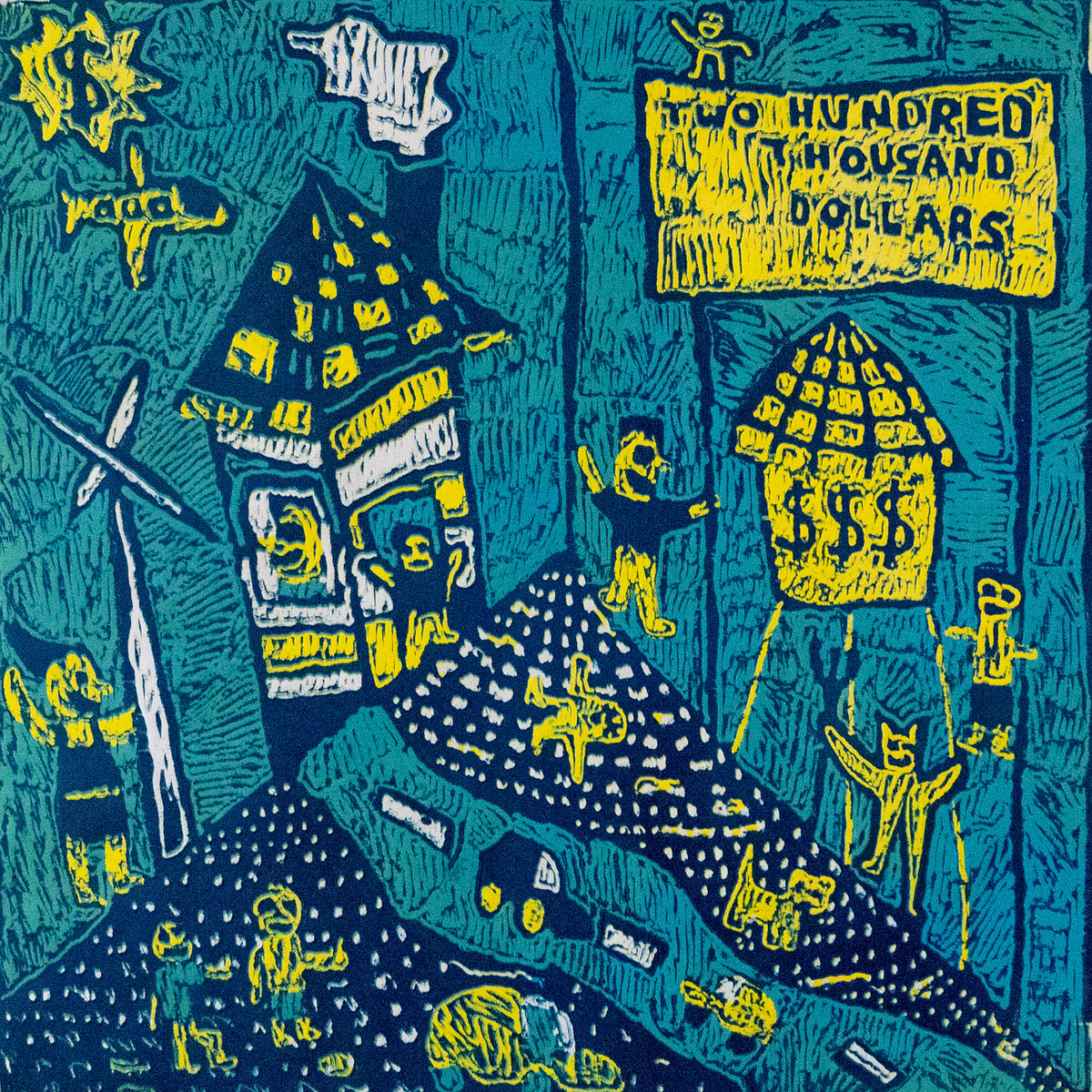
The album artwork is really unique and I like it. Who designed it and came up with the concept. What is the meaning behind it?
KEEGAN: Casey White, a Baltimore-based artist and friend of the band (@printmakingjesus on Instagram), creates these woodblock print pieces that we totally fell in love with. We reached out and asked if we could commission a piece, and basically gave her no instructions besides sending them the album and the album title. We just wanted Casey to do whatever she felt while listening to the songs, and we couldn’t be happier with what came out of it.
You released the album and are working with Count Your Lucky Stars again. What have you liked about working with them for this new album?
BRYAN: Keith is the best. We’re grateful for anyone who’s excited to help us put music out, and it’s still crazy to us, as longtime fans of the label and all the amazing records that have come from it, that we’re part of this insane roster. It still blows our minds.
This record was a long time coming, and Keith has been helpful and patient with us throughout the whole process. We’ve always felt fully supported by them.
KEEGAN: Keith is band dad, a brother, a friend, a cheerleader, an advocate, and one of the funniest people I’ve ever met. Camp Trash wouldn’t ever have put music out if it weren’t for him, and we’re eternally grateful for all his support over the past few years. CYLS Forever.
Thanks for taking the time to answer the questions. Do you have anything else that you want like to add?
KEEGAN: Listen to Poblano, listen to Dazy, listen to Liquid Mike.
Follow Camp Trash:


No comments: